Roles
3+
User · Admin · Owner — distinct privilege envelopes.
Per-role, per-provider, capability-limited SDK configuration for the LiteLLM universal gateway — the same gating model commercial assistants use, made explicit and inspectable.
User · Admin · Owner — distinct privilege envelopes.
OpenAI-compat · DeepSeek · Anthropic · Azure.
Capability switches enforced server-side per request.
Patterns ChatGPT, Claude & Grok all apply.
A universal gateway routes to any provider — but “any provider, any role” is not a policy. The proposal pins four axes that must vary together.
Who may call which endpoint, with which parameters.
Divergent wire formats behind one compatible surface.
tool_calls, vision, streaming, JSON mode — on or off.
Min / max output tuning per tier and task.
Every request passes the same gates. The dot connectors animate the flow; each node is a place a policy can refuse.
One compatible surface, four dialects. Azure is the detailed reference (screenshot below).
/chat/completionsdeepseek-chatmessages APIdeployment + api-version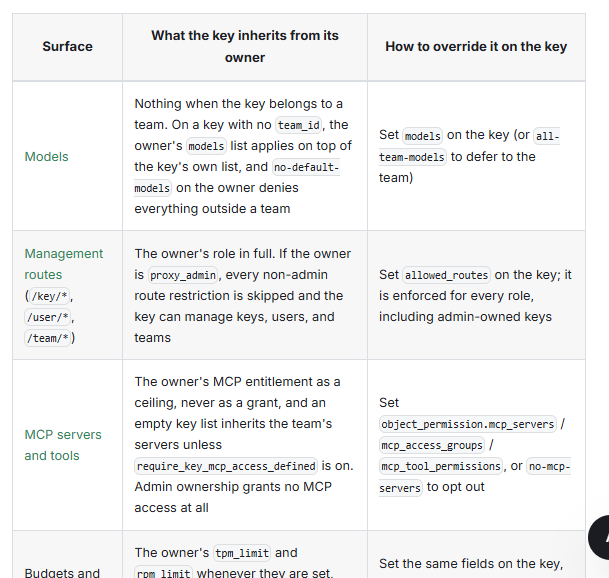
The model is not invented — ChatGPT, Claude and Grok all gate a shared proxy with the same seven levers, tiered by plan.
Maps to KD tiers → Standard · Agentic · Universal · Enterprise.
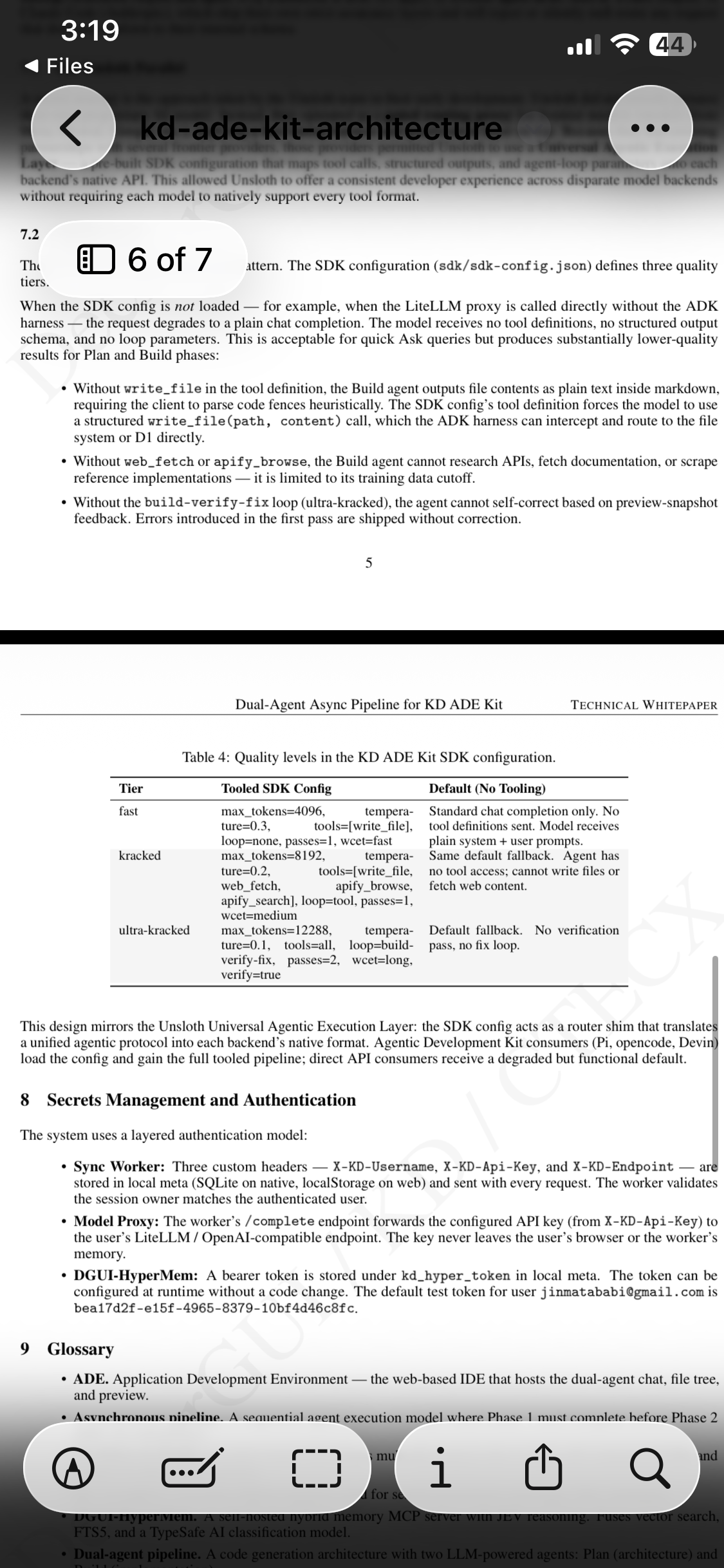
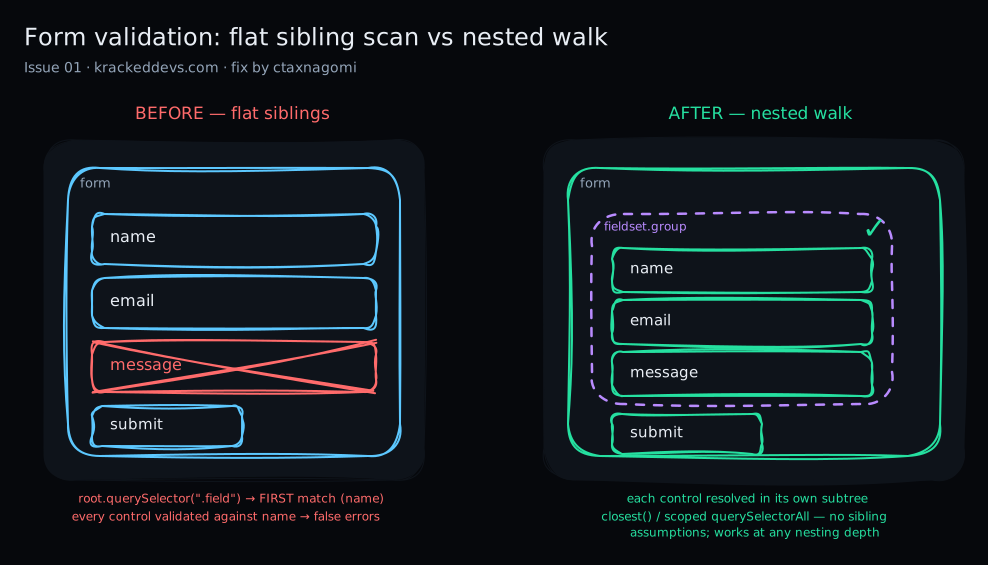
The project-submission form leaves a stale “at least 10 characters” error on a field that already holds far more. Root cause: flat sibling [data-slot=form-item] nodes sharing one validation context.
Error persists past valid input length.
Shared form-item validation scope.
Isolated context per field + DB-safe IDs.
<div data-slot="form-item">
  <Label /><Input name="title" />
</div>
<div data-slot="form-item">
  <Label /><Textarea name="description" />
</div> // ← siblings, one context<FormItem>
<FormLabel /><FormControl><Input /></FormControl>
<FormMessage /> // ← bound to THIS field
</FormItem>Reproduced and verified under a DevTools simulation of the live form; maintainers should confirm against the production build.
Keep one submissions table (SQLite/D1); use opaque hashed IDs rather than sequential integers to avoid enumeration and collisions.
Workers + Workers AI remains a sound fit — no need to split storage across services for this fix.
An autonomous agentic pipeline — not API-to-API automation. Worker AI + Cron ingest and classify; Gradio + HuggingFace run the learning loop; everything compiles into one Collective Penzine.
Classified & published rows.
Compiled issues to date.
HF · pages + volumes · gated.
Beyond caching; humans only curate.
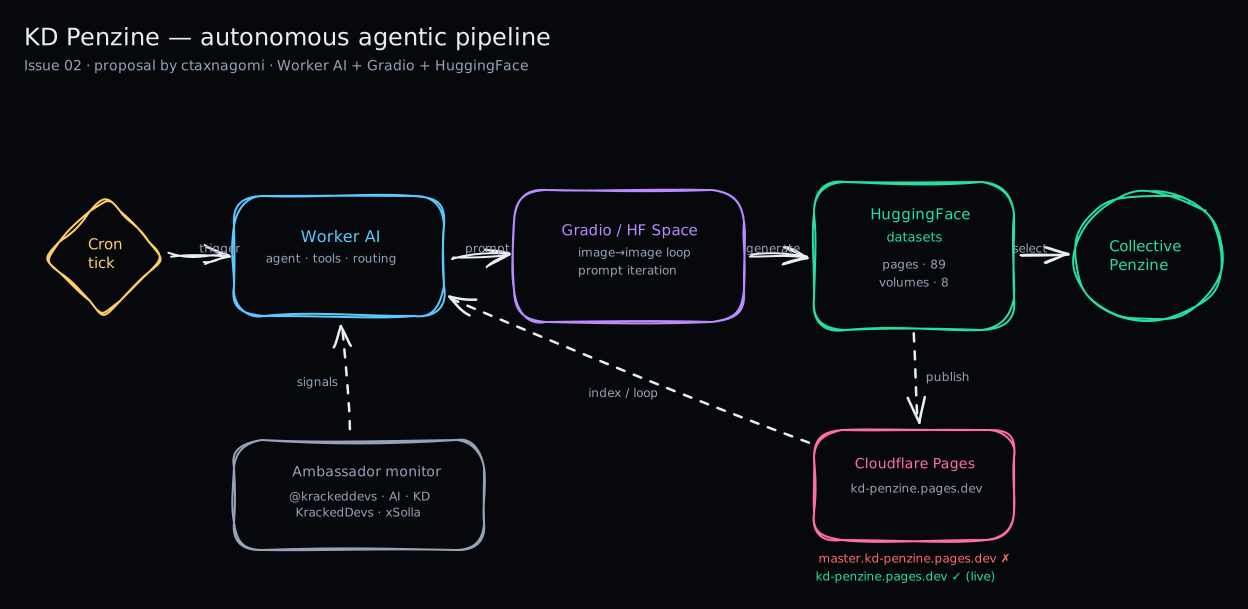
Example: watch @ctaxnagomi with keywords AI · KD · KrackedDevs · xSolla, merged into the shared feed.
Full registry in kd-ambassador-social-media.csv (14 rows).